House demolition · Collier County
House demolition in Collier County
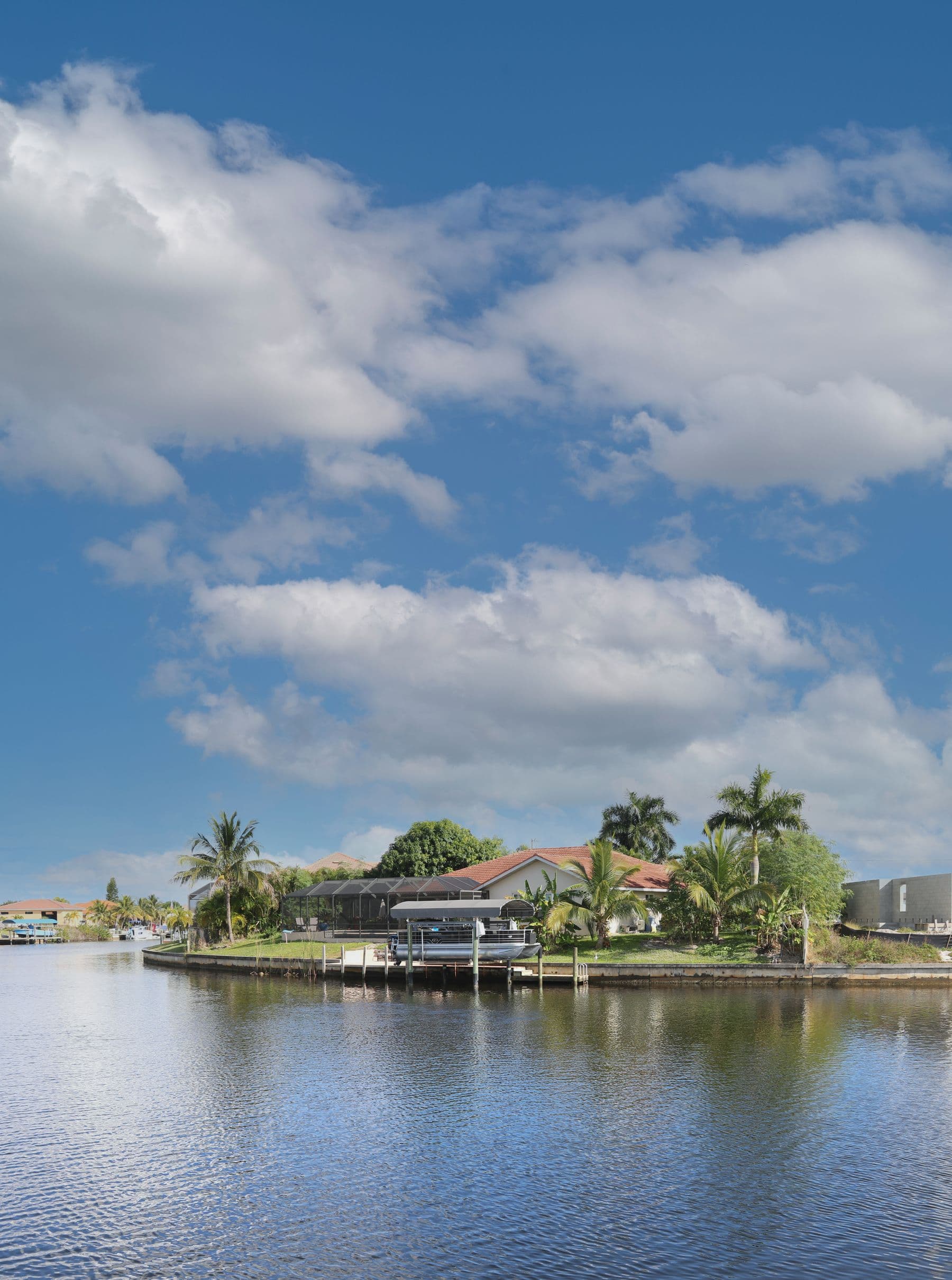
How a house comes down in Collier County depends on where it stands. A 1960s ranch in Naples Park, a canal house on Marco Island and a rural home in Golden Gate Estates each run through a different permit path.
In the City of Naples, the file holds a notarized owner affidavit, a boundary survey, a neighbor notification-and-offer letter and a site management form. The permit is released fourteen days after neighbors are notified and expires thirty days after it issues, so the crew is timed to match. On Marco Island, a septic system needs its own abandonment permit before the city will issue the demolition permit.
Out in the Estates, a lot may have a well, a septic tank and wetlands that cannot be seen from the road. Each is located before any machine moves. A tank is abandoned under a Florida Department of Health permit rather than left to fail, and a well is closed or protected as the rules require.
Flood zone shapes what follows. Anyone planning to rebuild should expect the new house, not the old one, to set the elevation, with an elevation certificate driving the design. The building department can tell you what applies before you commit.
The address, photos of every side and the parcel number are enough for a first look. The written scope then keeps demolition, permit work and haul on separate lines.
Order of work
- Lot visit and confirmation of the office that holds the parcel
- Asbestos survey and utility letters
- Septic abandonment or sewer cap, depending on the lot
- Neighbor notices, owner affidavit, survey and any fence permit
- Permit filing and wait for release
- House down, debris sorted and trucked out
- Lot graded and passed at final inspection
Common snags
What tends to hold these jobs up, and our answer to each
A septic tank left behind
A tank that stays in the ground must be abandoned properly or it becomes a hazard. The Health Department permits it, and we schedule it with the demolition.
Notice periods and permit expiry
Naples releases the permit fourteen days after neighbors are notified, and the permit then expires in thirty. The crew is booked against that clock.
Wells and wetlands on rural lots
The Estates hide protected wetlands and private wells. The records and a walk of the lot come before any clearing.
Seawalls on canal lots
Equipment near a seawall can load it. Machines stay back and the grade is planned so the lot does not slump.
Where our role ends
Septic abandonment, utility disconnects, tree removal and asbestos removal are licensed or permitted by others, and we coordinate them. What may be built on the lot afterward is decided by zoning and the flood rules, not by us.
Questions
About house demolition
Do I need to notify my neighbors before demolishing in Naples?
Yes. Per the city checklist, adjacent owners get a notification-and-offer letter with proof of mailing, and the permit is released fourteen days after that notice. The Building Department can supply the form now in use.
Does a house on septic need extra permits to come down?
Yes. The Florida Department of Health issues a septic tank abandonment permit when the system is removed or abandoned with the house. Marco Island asks for it before it issues the demolition permit.
What goes into the cost of a demolition?
A quote comes after we visit the property, or after we review photos and drawings that show enough. The price follows the building's materials and height, the asbestos survey, utility and septic work, how machines reach the lot, what stays, and where the debris goes. We do not publish prices, because two lots that look alike seldom cost alike.
Is there a size limit on the jobs you price?
No limit. Sheds, pools, slabs and single walls get a quote, and so do whole buildings, selective or structural. Describe what stands on the lot and what must stay, and the price follows that description.
Is Romco Builders licensed?
Yes. Romco Builders is a Florida-licensed general contractor with headquarters in Fort Lauderdale. Some tasks need a license or permit of their own, among them asbestos abatement, electrical disconnects, septic abandonment and tree removal. Those go to the firms or agencies with that authority, and we fit them into a single schedule.
Start to finish
Six stages in a fixed order
Send the address and the scope
Ring us or use the quote form, and attach photos or drawings if you have them. Give the area, what has to go and what has to stay.
We walk the site
We visit the lot and look at the building, the utility connections, septic or sewer, the flood zone, how machines and trucks will get in, and the neighbors.
Written scope and quote
A written quote lists what comes out, what is shielded, and what leaves by truck. Anything that depends on a survey is marked.
Surveys, permit and disconnects
Required asbestos testing, utility shutoffs and septic abandonment happen here, and the permit goes to the office that covers your parcel.
Demolition and haul-off
The crew follows the agreed order of work. Debris is taken to permitted facilities, and load records are kept.
Final inspection
The permit is closed by the building department after its last inspection, leaving a clear lot or the shell you requested.
House demolition across Collier, including Naples, Old Naples, Marco Island, Everglades City, Chokoloskee, Goodland, Isles of Capri, Immokalee, Golden Gate Estates, Bayshore and Gateway Triangle, and every other Collier city.
Also on our list
Other demolition we price
- Interior demolitionCondo and office strip-outs, and flood-damaged rooms cut back to the studs.Interior demolition in Collier →
- Selective demolitionTake out a lanai, addition or wall and leave the rest of the building standing.Selective demolition in Collier →
- Commercial demolitionStrip centers, offices, warehouses and apartment buildings, planned from the survey on.Commercial demolition in Collier →
- Structural demolitionConcrete frames, elevated slabs, piles and foundations near water, in engineered order.Structural demolition in Collier →
- Concrete removalDriveways, slabs, patios and decks broken out, separated and hauled for recycling.Concrete removal in Collier →
- Pool removalPartial or full pool removal, with the cage, the water and the fill planned together.Pool removal in Collier →
- Mobile home demolitionTrailers and mobile homes cleared from park and private lots, utilities shut off first.Mobile home demolition in Collier →
- Storm damage demolitionSurge-flooded and storm-damaged buildings, made safe and removed with records kept.Storm damage demolition in Collier →
- Site clearingOpen up a lot once the vegetation, wetland and wildlife checks are done.Site clearing in Collier →
- Asbestos coordinationTesting, state filing and licensed removal sequenced ahead of the machines.Asbestos coordination in Collier →
- Accessory structure demolitionLanais, cages, docks, sheds and garages taken off a lot without harming the house.Accessory structure demolition in Collier →
- Something else?If your job is not shown here, ring us and describe it. Every type and size gets a quote.Call (239) 510-4206 →
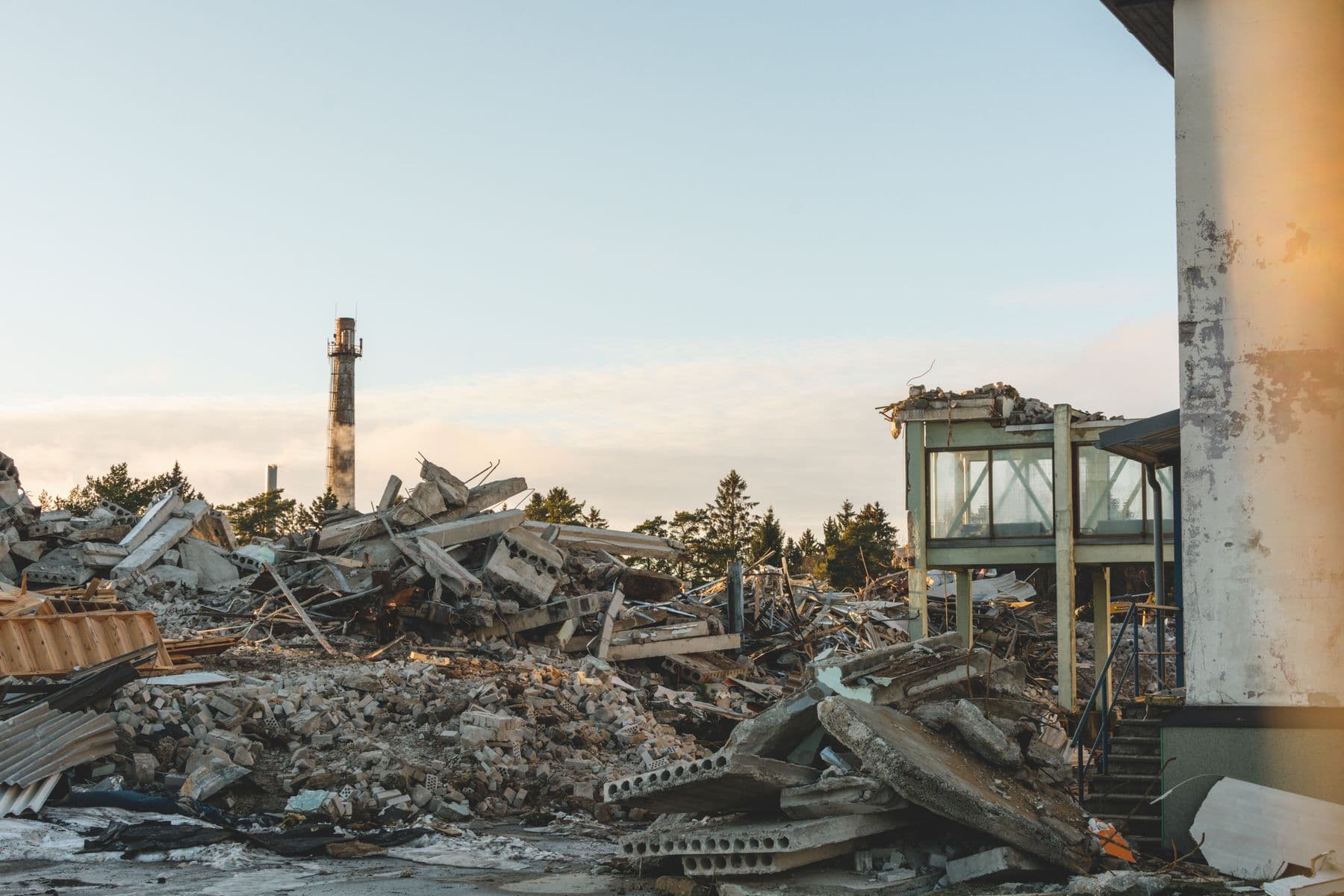
Any type, any size, anywhere in Collier County
Name the place and the job, and we will put a price on it.
Romco Builders is a licensed Florida general contractor, headquartered in Fort Lauderdale. A single wall or a full building: either way you get a written scope and a quote.